Hidden duct grease and kitchen fire severity: what restaurant owners should know
A kitchen fire can move fast, but the conditions that make it severe often build slowly. Above the cooking line, grease vapour, smoke and fine particles travel into the exhaust hood, through ductwork and toward the exhaust fan. Some of that material sticks to surfaces. Over time, a thin film can become a sticky layer, then a heavier deposit that is hard to see from the room below.
This is why exhaust system cleaning matters well beyond appearance. The visible parts of a hood may look orderly while the inside of the duct carries a fuel source that can intensify a fire. Hidden grease does not cause every kitchen fire, but it can change how one behaves once heat, flame or sparks enter the system.
Where the grease goes
Every hot cooking process sends an airflow upward. An exhaust hood captures much of the plume, and ductwork carries it outside. Grease is part of that plume. Some is trapped by filters, some settles in the hood, and some travels farther before it cools and adheres to metal surfaces. The places most likely to collect residue are often the least visible: duct seams, turns, dampers, fan housings and areas where airflow slows.
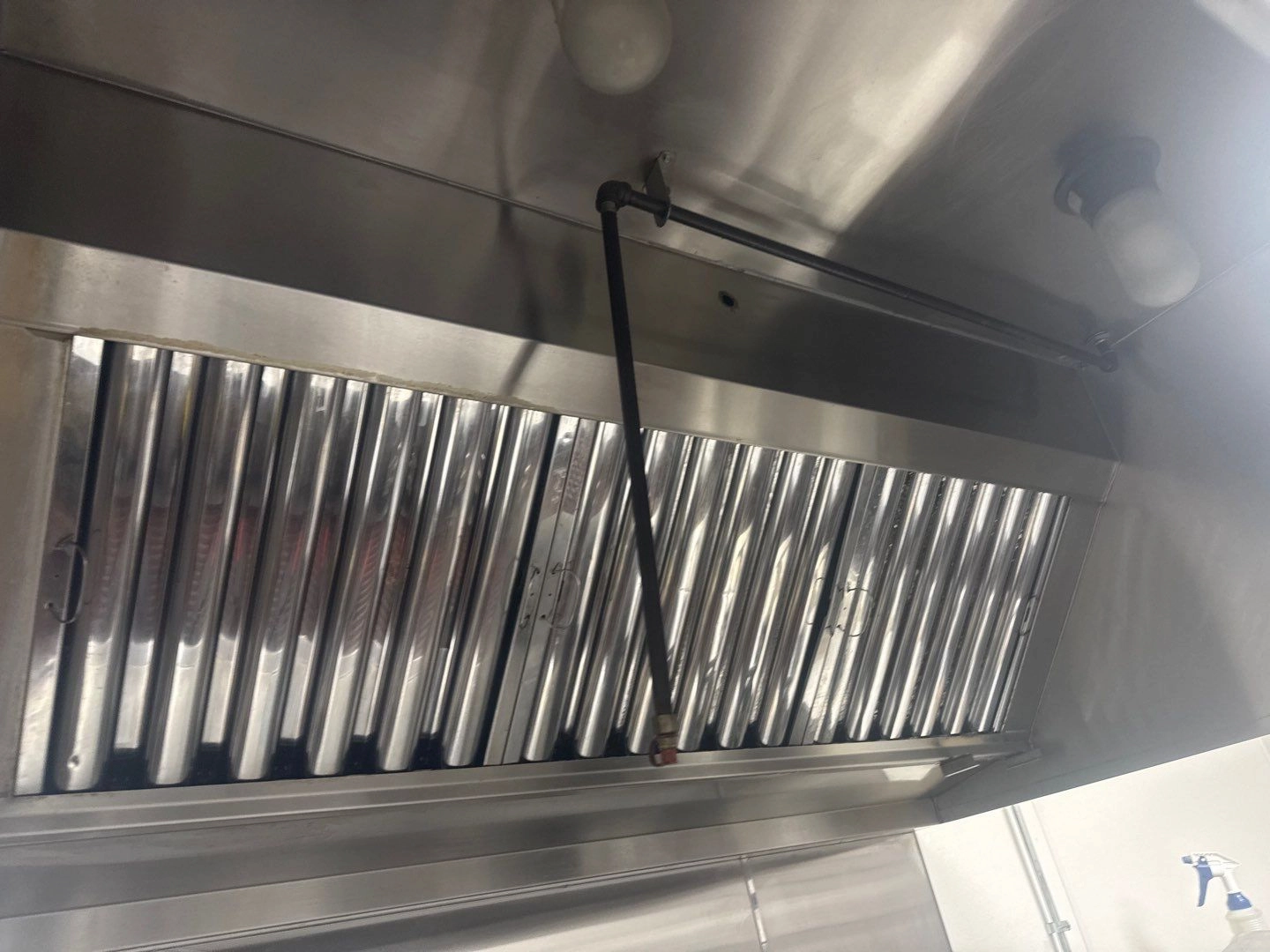
That pattern explains why a clean-looking kitchen is not always a clean exhaust path. Filters can be maintained on a regular routine while the duct interior remains coated. A narrow gap or shadow behind a hood panel can hide years of accumulation. Heat also changes the residue. Lighter deposits may stay tacky, while older buildup can harden and darken. Both can be combustible, though they behave differently under heat.
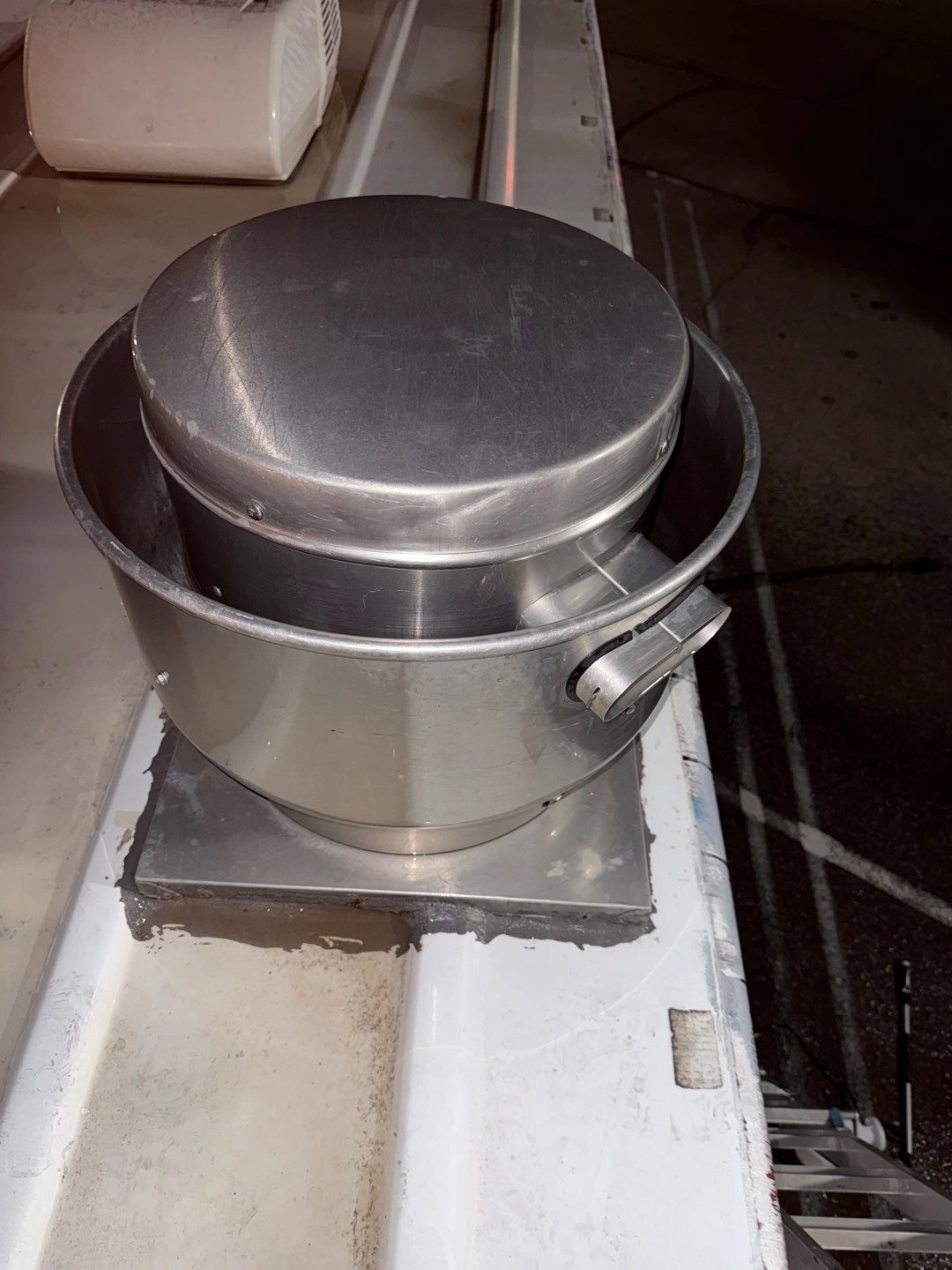
Restaurants manage this risk through commercial hood maintenance that includes access points, inspection and cleaning of the parts not seen during daily work. The aim is not simply to remove dirt. It is to reduce the amount of combustible material available to a flame that enters the exhaust path.
How hidden grease can intensify a fire
Fire needs fuel, heat and oxygen. In a kitchen, cooking equipment provides plenty of heat, and the exhaust system provides airflow. Grease deposits inside a duct add fuel in a place where flames may not be obvious from the dining room or prep area. If a flare-up or ignition reaches the hood opening, hot gases can draw fire into the duct. A coated interior may then allow the fire to travel along surfaces or flare at the fan.
Airflow can make the problem worse. An exhaust fan moves air through the system, which can feed a fire with oxygen and carry heat into areas that were not involved at the start. Grease in the duct does not need to be piled thick to matter. A continuous film along a long run can present a broad surface. At bends and joints, deposits may be uneven, creating pockets where heat lingers.
The construction of the system also affects the outcome. Smooth, accessible ductwork is easier to inspect and clean. Duct with many turns, internal obstructions or poor access can allow residue to remain in places that routine work misses. When a fire starts, those same areas can be difficult for emergency responders to reach or cool.
Smoke spread is another concern. A duct fire may produce heavy smoke that moves through the exhaust path and into occupied areas if the system is not properly maintained. Even when flames stay contained, smoke can interrupt service, force evacuation and complicate cleanup. The severity of an incident often depends on how far the fire travels and how much smoke is produced, not only on the size of the original flame.
Signs that deserve attention
Some warning signs are easy to notice. A hood that seems weaker at capturing smoke may have airflow problems, though the cause needs proper assessment. Grease dripping from seams, sticky surfaces near filters, unusual odours or visible residue around access panels all suggest that cleaning is overdue. A fan that strains, vibrates or makes a new noise can also point to buildup or mechanical trouble, and that should be checked by a qualified professional.
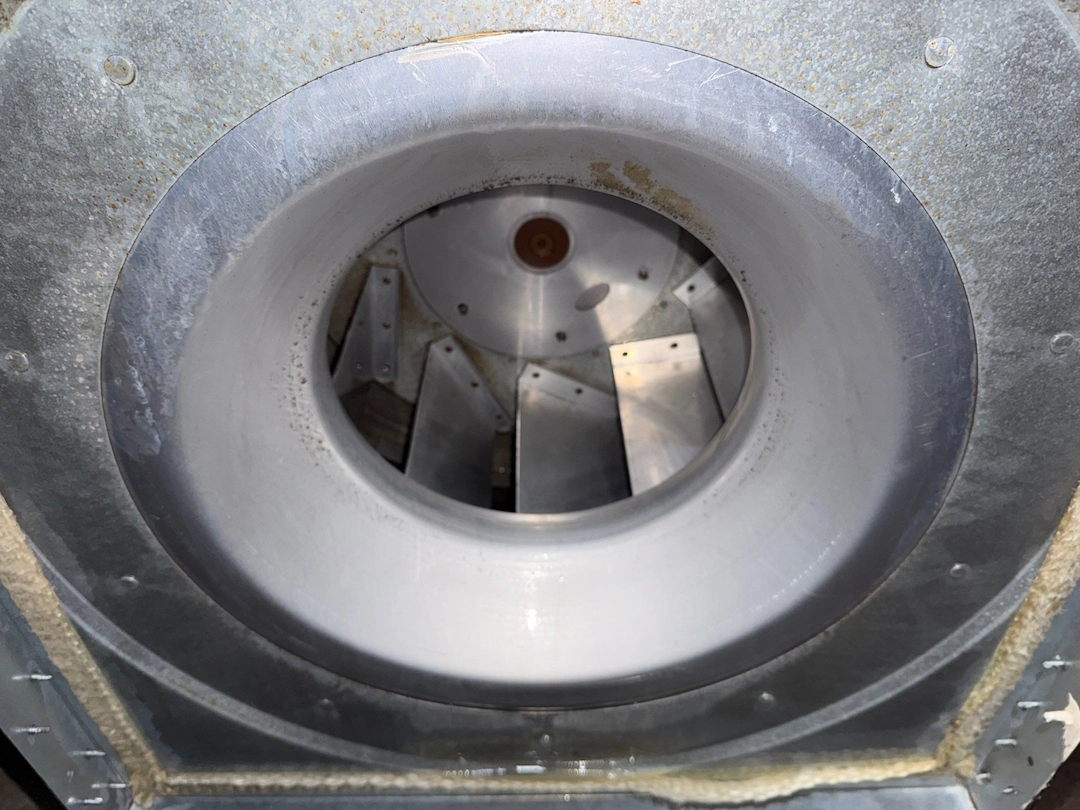
Other signs are less obvious. Fire risk can grow in duct sections above ceilings, behind walls or outside the building where staff rarely look. That is one reason documentation and scheduled inspection matter in commercial kitchens. A written record helps show what was examined, what was cleaned and what remains restricted by access. For operators, that record supports maintenance planning and can help when an inspection report is requested.
There is a practical judgment to make between routine cleaning and a deeper investigation. Daily filter washing, wiping hood surfaces and keeping cooking equipment in good condition all help. They do not replace proper exhaust system cleaning when grease has reached the duct. If residue is visible beyond the filters, or if airflow seems reduced after basic checks with equipment shut down, a qualified service provider should assess the system.
What a thorough cleaning addresses
Professional work usually focuses on the whole exhaust path rather than the hood alone. That can include filters, hood interior, duct sections, dampers and the exhaust fan area. The exact scope depends on the system design and the condition found during inspection. Access is a key part of the job. Without safe access to the duct, cleaning may leave hidden deposits behind.
NFPA standards are often used as a reference for commercial kitchen ventilation maintenance. Local rules and insurance requirements may also shape what is expected. For a restaurant operator, the useful question is not only whether the hood looks clean today. It is whether the exhaust path can be inspected and maintained before grease becomes a serious fire load.
Commercial hood maintenance also helps reveal problems that cleaning alone may not solve. Damaged filters, loose panels, missing access doors or poor fan condition can all affect how the system performs. Some of these issues need a qualified professional because they involve electrical or mechanical parts. Attempting repairs while equipment is live can create serious hazards.
What this means for restaurant operators
The main lesson is simple: grease hidden inside ductwork is a fire risk because it sits in the exact path that hot gases and flame may follow. A system can look acceptable from the kitchen floor and still need attention above the ceiling. Regular cleaning, clear records and prompt follow-up on warning signs reduce the chance that a small cooking flare becomes a larger duct fire.
Good maintenance planning starts with knowing the system. Identify where the hood connects to the duct, where access panels sit and where the fan discharges. Keep records of cleaning and inspection findings. When staff notice smoke, odour, dripping grease or changes in airflow, treat those as signals to investigate rather than normal kitchen conditions. The goal is not a spotless surface for its own sake. It is an exhaust system that moves heat and smoke out without carrying a hidden fuel load through the building.